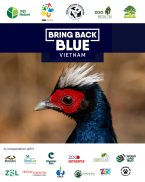
10 Vietnam Pheasants return to Quang Tri, opening a new chapter in the species’ recovery journey
Five pairs will lay the foundation for conservation breeding, rewilding, and the goal of returning this endemic Vietnamese bird to its natural forests.
Ban Bang, Kim Ngan Commune, Quang Tri Province — 4 August 2026
10 Vietnam Pheasants (Lophura edwardsi), comprising five males and five females, have been brought to the Rare Pheasant Breeding Centre in Ban Bang. This is an important milestone in long-term efforts to recover an endemic bird species found only in Vietnam, which is listed by the International Union for Conservation of Nature (IUCN) as Critically Endangered/Possibly Extinct in the Wild.
%20chuy%E1%BB%83n%20gllmt%20v%C3%A0o%20chu%E1%BB%93ng%20nh%C3%A2n%20nu%C3%B4i%20(1.8.2026).jpg)
The birds originate from a conservation breeding population managed in Europe and were transferred to Vietnam through coordination between Zoo and Tierpark Berlin and Vinpearl Safari Phu Quoc—two partners in the Vietnam Pheasant Recovery Programme. The transfer was prepared on the basis of health, genetic diversity, and animal welfare to provide a strong foundation for the conservation breeding population in central Vietnam.
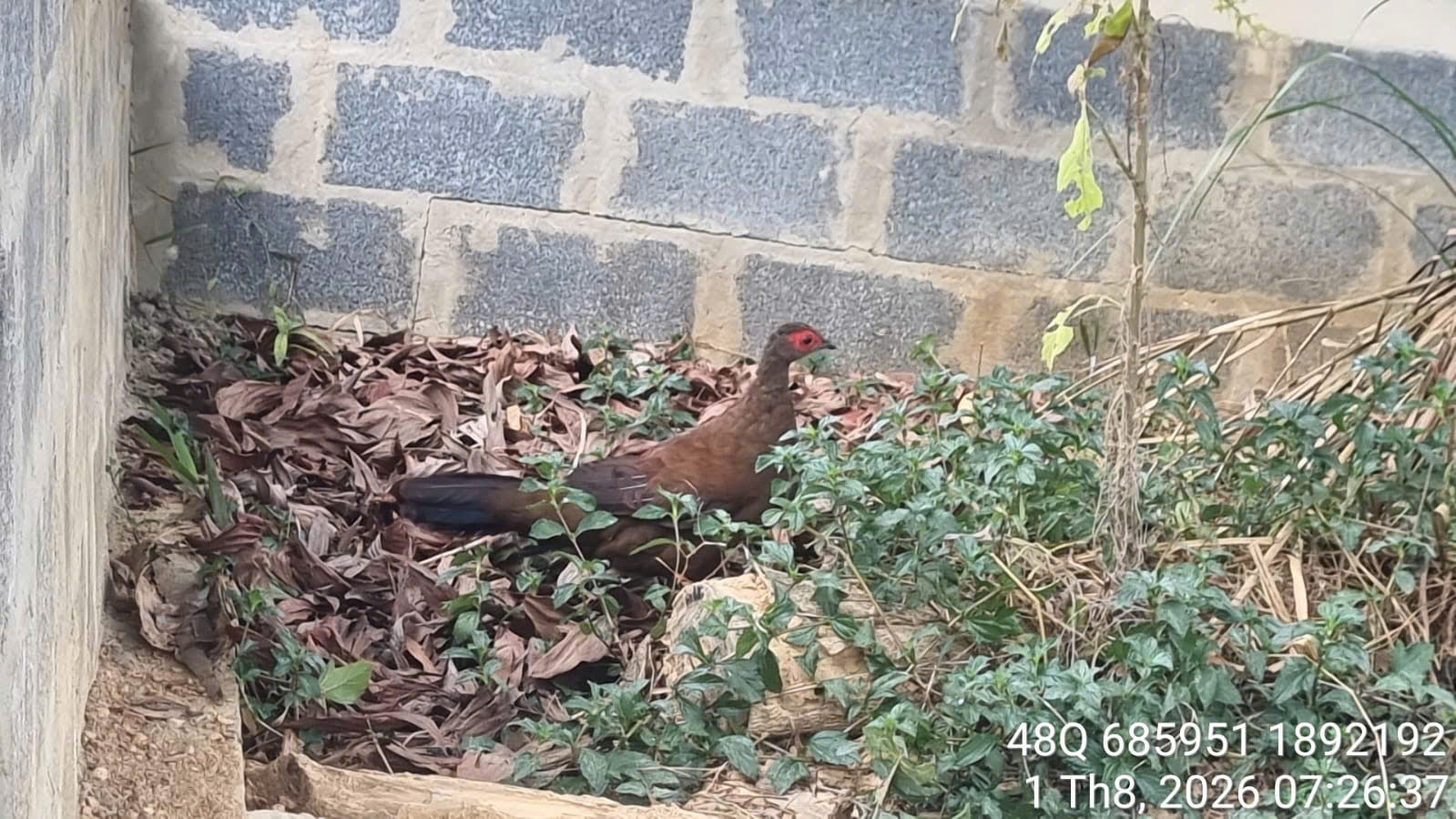
Today’s event is not a release into the wild. In the immediate term, the birds will be cared for, monitored, and acclimatised to the local climate; paired for breeding; and used to produce Vietnam-born generations raised naturally by their parents. Only when veterinary, genetic, behavioural, habitat, and safety conditions are met will further steps towards reintroduction be taken.
“Today, we are not only welcoming Vietnam Pheasants back to central Vietnam. We are giving a species unique to Vietnam a second chance to return and thrive in its native forests. This is a source of pride, and also a shared responsibility for all of us.”
Ms Pham Tuan Anh, Director of Viet Nature Conservation Centre
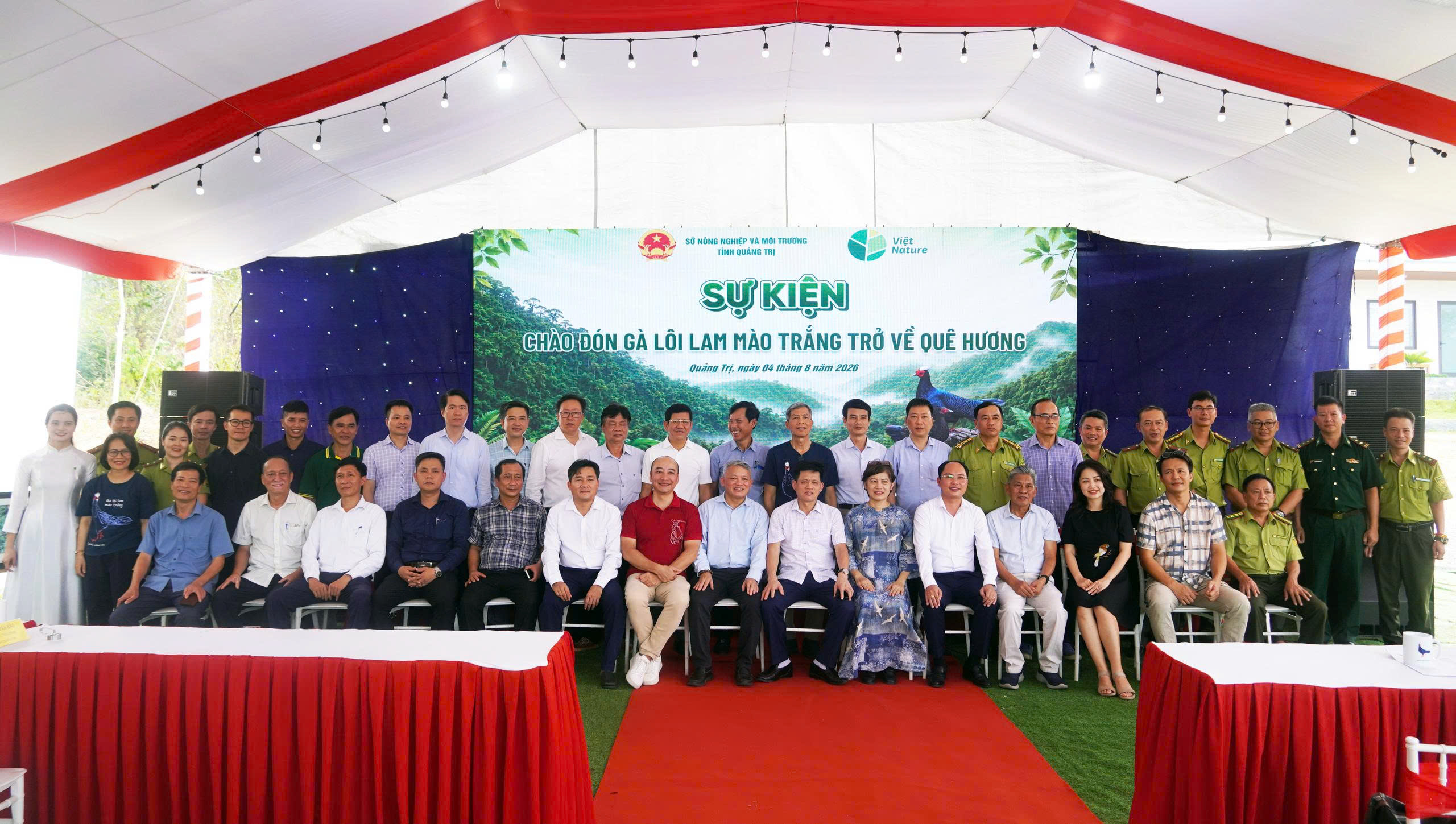
Group photo of all delegates attending the event 'Welcome home, Vietnam Pheasant" (04/08/2026)
The Vietnam Pheasant once inhabited humid lowland forests in central Vietnam, with a narrow range in Ha Tinh, Quang Tri, and Hue. Habitat loss and degradation, illegal hunting, and prolonged pressures caused the species to disappear gradually. Fortunately, several individuals sent to Europe in the late 1920s became an assurance population, preserving this rare genetic resource. Over more than a century of breeding, zoos and international experts have maintained a genetically valuable population, creating a rare opportunity to recover the species in its homeland.
“The special significance of this event is that, for the first time in more than a century, Vietnam Pheasants have left zoos and private collections to return to the species’ historic range, on their journey back to nature.”
Mr Dang Gia Tung, Vice President of the Vietnam Zoos Association
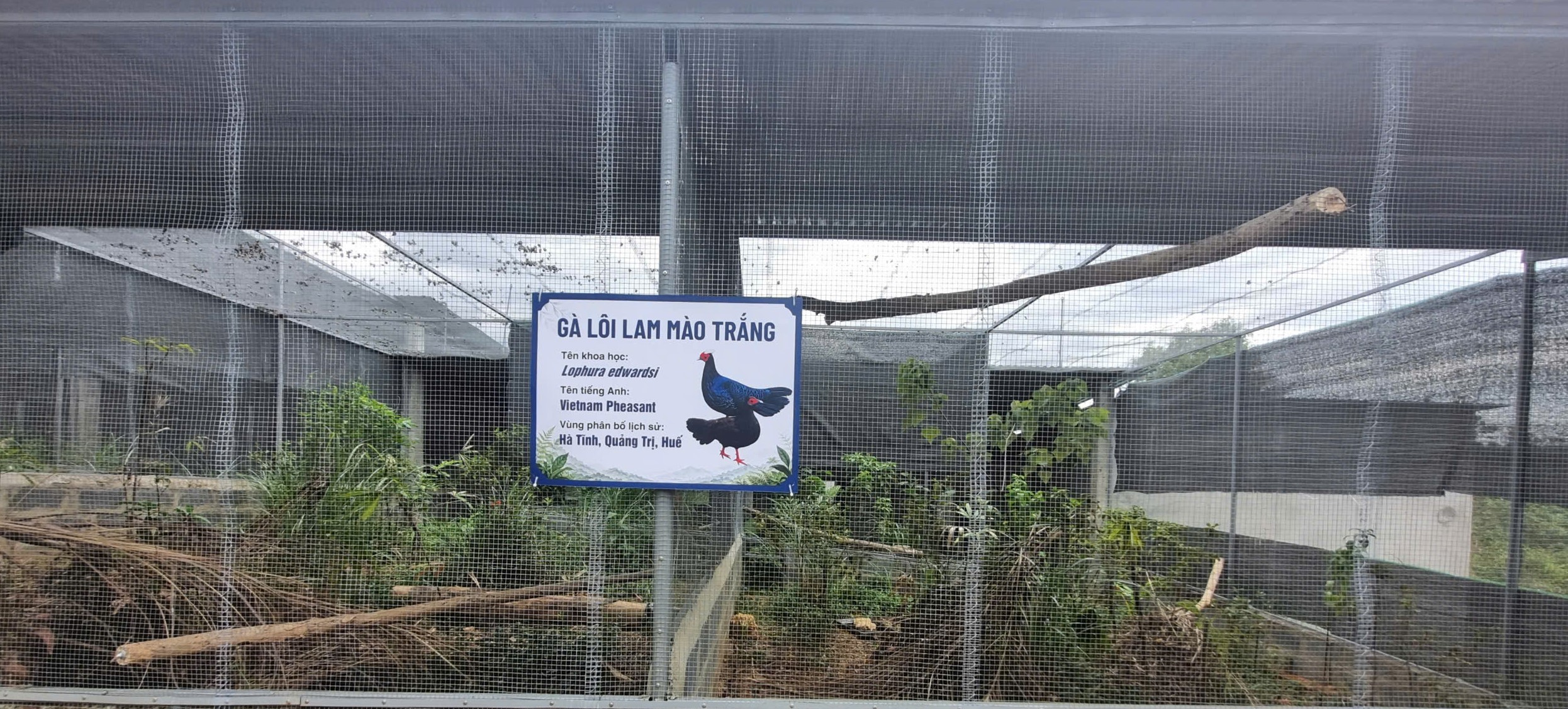
The First Aviary of Rare Pheasant Breeding Centre
At the Rare Pheasant Conservation Breeding Centre, rewilding work will proceed cautiously. Suitable generations will be trained to forage independently, recognise and avoid predators, breed and rear young, and adapt to the sunny, windy, and rainy conditions of central Vietnam. In parallel, habitat protection and restoration, snare reduction, biodiversity monitoring, and post-release monitoring plans will be prepared.
The programme expects to conduct a trial release in late 2028, provided that technical, veterinary, animal welfare, and habitat safety requirements are met. Based on the results of each phase, the programme aims to restore a self-sustaining wild population by around 2035. These milestones are long-term targets and will be adjusted according to scientific evidence and monitoring results.
%20c%C3%A1%20th%E1%BB%83%20gllmt%20(con%20tr%E1%BB%91ng)%20t%E1%BA%A1i%20tt%20nh%C3%A2n%20nu%E1%BB%91i%20c%C3%A1c%20lo%C3%A0i%20tr%C4%A9%20qu%C3%BD%20hi%E1%BA%BFm%20(3.8)%20%40abby_zsl.jpg)
This journey has been built on decades of cooperation among Vietnamese agencies, conservation organisations, zoos, scientists, and local communities. Viet Nature Conservation Centre and Viet Nature Conservation One Member Limited Liability Company gratefully acknowledge Zoo and Tierpark Berlin; Vinpearl Safari Phu Quoc; the European Ex situ Programme (EEP) for the Vietnam Pheasant coordinated by Prague Zoo; the World Pheasant Association; the Zoological Society of London (ZSL), Mandai Nature, Conservation Vietnam; and government agencies, forest protection forces, technical partners, and communities that have contributed expertise, resources, and perseverance to the Vietnam Pheasant Recovery Programme and the Bring Back Blue initiative.
In Quang Tri, the attention and coordination of the Provincial People’s Committee, provincial departments and agencies, Kim Ngan Commune authorities, forest management units, and buffer-zone communities are essential. Species recovery can succeed only when its native forests become a safe home for the Vietnam Pheasant and many other species.
Share: